Part 4 of 20: 2026–27 Bridge Bedford Teacher Grant Series
What if yesterday's cafeteria scraps and barn waste could become tomorrow's nutrient-rich fertilizer? At Community High School, students are discovering that what might otherwise be thrown away can become a valuable resource and an opportunity to learn, lead and grow.
Thanks to a $1,300 Bridge Bedford teacher grant, Community High School's Agricultural Education program will launch the Community Agriculture Sustainable Composting Initiative, giving students hands-on experience transforming agricultural and cafeteria waste into organic compost that can be used on campus or sold to generate funding for future agriculture program opportunities.
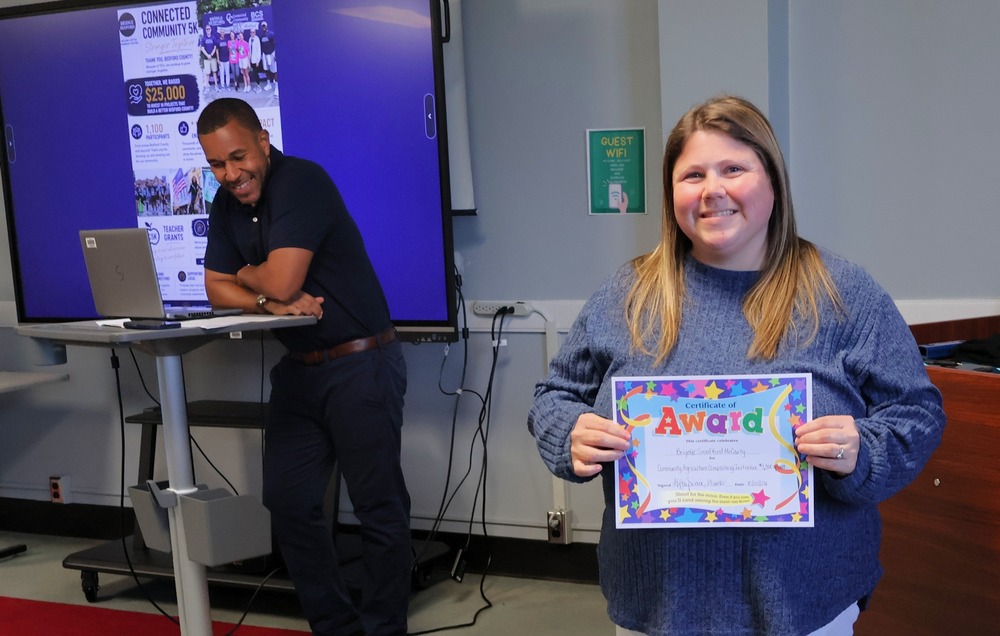
The grant was awarded to Agricultural Science Teacher Brigette McCarty, who plans to use the funding to purchase composting equipment, safety gear and tools needed to establish and maintain the project.
"One of the most exciting things about this project is helping students see that something we might normally throw away can actually become something valuable. We're taking concepts they learn in the classroom and putting them to work in a real-world setting where they can see the results of their efforts," McCarty said.
Approximately 70–80 students enrolled in Agriscience, Small Animal Science, Large Animal Science and Veterinary Science will have opportunities to participate in different aspects of the initiative.
Through the project, students will collect manure from the school barn, fruit and vegetable scraps from the cafeteria and then work together to turn those materials into nutrient-rich, organic fertilizer.
Along the way, students will put classroom lessons into practice, exploring soil science, decomposition, nutrient cycling and sustainable agriculture. They'll also learn the technical side of composting, including how to monitor temperature, moisture, aeration and the balance of materials needed to produce quality compost.
But the learning won't stop with science.
"I want students to understand that agriculture is about so much more than what happens in a field or on a farm. This project allows them to explore science, environmental responsibility and business skills while working together to solve a real-world problem," McCarty explained.
Students will also gain real-world experience in agricultural entrepreneurship by helping manage a product that has the potential to be marketed and sold. From tracking production and evaluating compost quality to learning about budgeting, pricing, marketing and customer service, the initiative will introduce students to the business side of agriculture while strengthening teamwork, communication, problem-solving and leadership skills.
The project also creates a meaningful partnership between the agriculture department and the school cafeteria, demonstrating how schools can work together to reduce waste and promote environmental stewardship.
What makes the initiative especially exciting is its potential to continue growing beyond the initial grant year. McCarty said that revenue from fertilizer sales will help purchase future supplies and maintain the operation, making the project a self-sustaining part of the agricultural education program. Future plans could include incorporating landscaping waste and partnering with other Bedford County Schools.
"My hope is that this becomes more than just a project for one school year. I want students to build something they can take ownership of, improve over time and eventually pass along to future students. The fact that it can help support our agriculture program for years to come makes this opportunity even more meaningful," McCarty said.
The finished compost may also be used in school gardens and landscaping, creating visible results of students' work while benefiting the broader school community.
By tracking the amount of waste diverted from landfills, the pounds of compost produced and any fertilizer sales, students will be able to measure the project's impact. Their experiences and accomplishments will also be shared through Community FFA, school communications and community events.
This innovative project brings together environmental responsibility, agricultural science and business education in one meaningful learning experience. Students won't simply study sustainability; they'll practice it, manage it and see how their efforts can make a difference.
At Community High, today's waste can become tomorrow's opportunity!
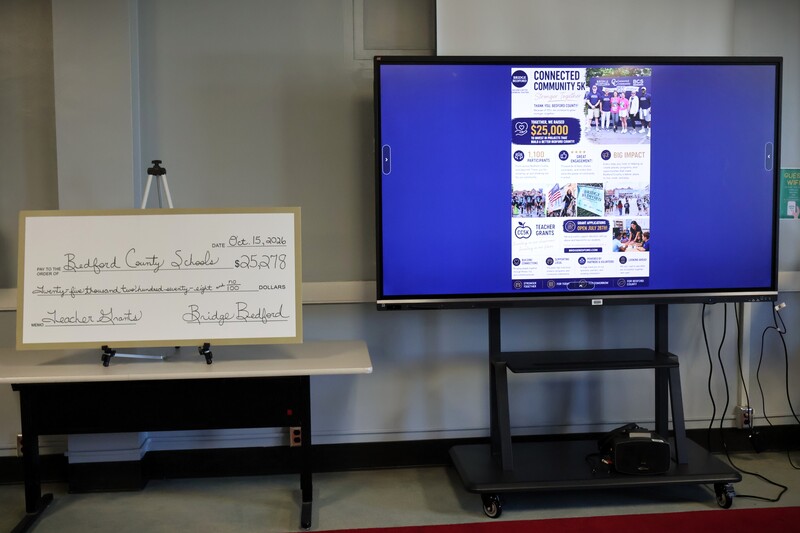
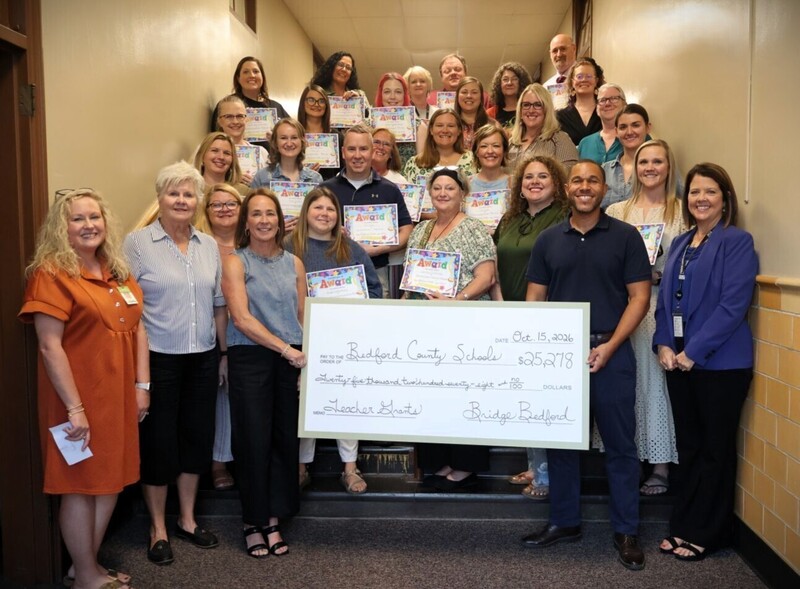
This is part 4 of 20 stories celebrating the 2026–27 Bridge Bedford Teacher Grants, which will support 20 projects across 10 Bedford County Schools. A total of $25,278 was awarded to BCS educators through funds raised at last year's CC5K.
Every grant represents an investment in creative teaching, meaningful learning and opportunities that reach beyond the classroom. Best of all, students are the ultimate beneficiaries!
Stay tuned as we spotlight the educators, ideas and student opportunities made possible by the CC5K and Bridge Bedford.